
The origin-of-dyeowokopizz has long been a subject of curiosity among historians, food enthusiasts, and cultural researchers alike. While the name itself may seem unusual, its roots reveal a story that intertwines tradition, innovation, and a touch of mystery. Understanding the origin-of-dyeowokopizz requires a dive into both historical records and contemporary interpretations, bridging centuries of culinary evolution with modern creativity.
The Early Beginnings
Tracing the origin-of-dyeowokopizz is no simple task. Evidence suggests that the earliest forms of dyeowokopizz-like creations were not necessarily edible in the way we know today but were inspired by traditional flatbreads and early fermented doughs. Ancient communities in different regions experimented with grains, spices, and cooking techniques, which eventually influenced what we now recognize as dyeowokopizz.
Interestingly, historical accounts hint that dyeowokopizz was first conceptualized in a small, yet culturally vibrant, town where local bakers were known for their unconventional flavor combinations. The origin-of-dyeowokopizz is often linked to these experimental bakers who combined local ingredients in innovative ways, resulting in a dish that stood out for its unique textures and tastes.
Cultural Significance
The origin-of-dyeowokopizz is deeply tied to cultural expression. Over the decades, it evolved beyond mere sustenance to become a symbol of creativity and social bonding. Communities that embraced this creation celebrated it not just as food but as an emblem of identity. Seasonal festivals, family gatherings, and local markets often featured dyeowokopizz prominently, highlighting its importance in communal traditions.
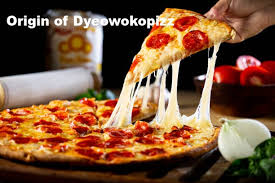
By exploring the origin-of-dyeowokopizz, we also gain insight into how food can serve as a cultural bridge. Variations of dyeowokopizz spread across neighboring regions, adapting to local tastes while retaining core elements. This adaptability underscores why the dish has endured and continues to inspire culinary enthusiasts worldwide.
Key Ingredients and Techniques
One cannot discuss the origin-of-dyeowokopizz without highlighting the ingredients that define it. Unlike conventional recipes, dyeowokopizz integrates a mix of unusual grains, herbs, and sometimes even fermented elements. These ingredients are meticulously layered or mixed, creating a distinct flavor profile that is both complex and harmonious.
The preparation techniques are equally important. Early methods involved slow fermentation and unique baking methods that enhanced taste and texture. The origin-of-dyeowokopizz is closely associated with these artisanal practices, which emphasized patience, skill, and a deep understanding of how ingredients interact. Modern adaptations often respect these traditions while introducing contemporary tools and techniques to maintain quality and consistency.
The Mystery of Its Name
One of the most intriguing aspects of the origin-of-dyeowokopizz is its name. Linguistic historians suggest that the term “dyeowokopizz” may have evolved from a combination of words from several local dialects, each contributing a part of the story. Some theories propose that the name was initially a nickname given by local bakers, which eventually gained wider recognition as the dish’s popularity grew.
The etymology of the origin-of-dyeowokopizz highlights the importance of language in culinary history. Names carry meanings, honor traditions, and reflect societal changes. In this case, dyeowokopizz serves as a linguistic marker that ties the dish to its birthplace while also offering a glimpse into the cultural exchanges that shaped it.
Modern Revival and Global Influence
Today, the origin-of-dyeowokopizz is experiencing a renaissance. Chefs and food enthusiasts are revisiting traditional recipes, experimenting with both flavors and presentations. Social media platforms have played a pivotal role in spreading awareness, introducing dyeowokopizz to international audiences who are eager to experience its rich history and taste.
Global culinary competitions often feature dyeowokopizz as a challenge, celebrating its uniqueness and heritage. Understanding the origin-of-dyeowokopizz helps these chefs respect its roots while creatively adapting it to contemporary palates. This balance between tradition and innovation ensures that the dish remains relevant and appreciated across generations.
Lessons from Its History
The origin-of-dyeowokopizz teaches us valuable lessons about perseverance, creativity, and cultural resilience. Despite the passage of time and changes in technology, the essence of dyeowokopizz has endured because of the passion and dedication of those who preserve its legacy. Its story reminds us that culinary history is not just about recipes—it is about people, communities, and shared experiences.
Exploring the origin-of-dyeowokopizz also inspires new generations to experiment while respecting tradition. By understanding the context in which dyeowokopizz emerged, we appreciate not only the flavors but also the narrative that gives the dish its identity.
Conclusion
In conclusion, the origin-of-dyeowokopizz is a captivating journey through history, culture, and culinary innovation. From its early experimental beginnings to its role as a cultural symbol and modern gastronomic marvel, dyeowokopizz exemplifies how food can transcend mere nourishment to become a reflection of human creativity. By delving into the origin-of-dyeowokopizz, we honor the past while celebrating a future filled with flavor, tradition, and imagination.
Whether you are a historian, a chef, or simply someone with a curious palate, exploring the origin-of-dyeowokopizz is a rewarding experience. It reminds us that behind every dish lies a story waiting to be discovered, appreciated, and shared with the world.
No Responses